
Introduction: Why Sleeping Bag Temperature Ratings Matter
Imagine this: you’re deep in the wilderness, the stars are twinkling above, but a chill creeps into your sleeping bag, leaving you shivering through the night. Choosing the right sleeping bag temperature rating is the key to a warm, comfortable, and safe outdoor adventure. Whether you’re a seasoned backpacker or a casual camper, understanding the numbers behind sleeping bag temperature ratings can make or break your experience.
In this guide, we’ll demystify sleeping bag temperature ratings, dive into the EN 13537 standard, and explain terms like comfort temperature, lower limit temperature, and extreme temperature. By the end, you’ll have the knowledge to select the perfect sleeping bag for your next trip. Ready to stay warm and cozy? Let’s get started!
Attention: The Risks of Choosing the Wrong Sleeping Bag
A poorly chosen sleeping bag can turn a dream camping trip into a nightmare. According to a 2023 study by the Outdoor Industry Association, 68% of campers reported discomfort due to inadequate gear, with temperature mismatches being a top complaint. Ignoring sleeping bag temperature ratings could lead to:
- Cold nights: Waking up shivering or unable to sleep.
- Safety risks: In extreme conditions, hypothermia is a real danger.
- Wasted money: Buying a bag that doesn’t suit your needs.
The good news? Understanding sleeping bag temperature ratings empowers you to make informed decisions, ensuring comfort and safety. Let’s explore how these ratings work.
Interest: What Are Sleeping Bag Temperature Ratings?
A sleeping bag temperature rating indicates the lowest temperature at which a sleeping bag can keep you comfortable. These ratings are often based on standardized testing, such as the EN 13537 standard, which provides a consistent way to compare sleeping bags across brands. But what do the numbers mean, and how can you trust them?
The EN 13537 Standard Explained
The EN 13537 standard, developed in Europe and widely adopted globally, is a laboratory-based testing protocol that measures a sleeping bag’s thermal performance. It uses a heated mannequin to simulate a human body and tests the bag under controlled conditions. The result? Three key temperature ratings:
| Rating | Definition | Who It Suits |
|---|---|---|
| Comfort Temperature | The lowest temperature at which an average woman can sleep comfortably. | Women or those who sleep warm. |
| Lower Limit Temperature | The lowest temperature at which an average man can sleep without feeling cold. | Men or those who sleep cooler. |
| Extreme Temperature | The survival temperature where the bag protects against hypothermia (not for regular use). | Emergency use only; not for comfort. |
Source: European Committee for Standardization (CEN), 2016.
These ratings are designed to reflect real-world scenarios, but they assume you’re using a sleeping pad (R-value of 4 or higher), wearing appropriate base layers, and sleeping in a tent. Without these, the bag’s performance may not match the rating.
Why EN 13537 Matters
Before the EN 13537 standard, manufacturers used their own testing methods, leading to inconsistent and unreliable ratings. The standard ensures:
- Comparability: You can trust ratings across different brands.
- Safety: Accurate ratings reduce the risk of choosing an inadequate bag.
- Transparency: Clear definitions for comfort temperature, lower limit temperature, and extreme temperature.
However, not all sleeping bags carry EN 13537 ratings, especially budget models or those from smaller brands. In such cases, proceed with caution and check user reviews for real-world performance.
Desire: How to Choose the Right Sleeping Bag Temperature Rating
Now that you understand the EN 13537 standard and its ratings, how do you pick the right sleeping bag? Here are key factors to consider:
1. Know Your Destination’s Climate
Check the expected low temperatures for your trip. For example:
- Summer camping (50°F/10°C and above): Choose a bag with a comfort temperature of 35°F to 50°F (2°C to 10°C).
- Three-season camping (20°F to 50°F/-6°C to 10°C): Opt for a comfort temperature of 15°F to 32°F (-9°C to 0°C).
- Winter camping (below 20°F/-6°C): Select a bag with a comfort temperature below 15°F (-9°C).
Pro Tip: Always choose a bag rated 10°F (5°C) lower than the expected low to account for variables like wind or fatigue.
2. Consider Your Personal Factors
Everyone’s body reacts differently to cold. Ask yourself:
- Do you sleep warm or cold? If you sleep cold, prioritize the comfort temperature over the lower limit temperature.
- Are you male or female? Women generally sleep colder, so the comfort temperature is more relevant.
- What’s your experience level? Novices may feel colder due to improper layering or setup.
3. Factor in Gear and Conditions
Your sleeping bag is part of a sleep system. To maximize warmth:
- Use a sleeping pad: A pad with an R-value of 4 or higher is essential for insulation from the ground.
- Wear base layers: Moisture-wicking thermals add warmth without bulk.
- Choose a tent: A tent reduces wind exposure, helping the bag perform as rated.
4. Avoid Relying on Extreme Temperature
The extreme temperature rating is for survival, not comfort. Using a bag at this rating risks hypothermia and discomfort. Always base your choice on the comfort temperature or lower limit temperature.
Real-World Example
In a 2024 survey by REI, 82% of backpackers who chose sleeping bags based on comfort temperature reported better sleep quality compared to those who relied on lower limit temperature. This highlights the importance of prioritizing comfort over pushing the limits.
Action: Find Your Perfect Sleeping Bag Today
Ready to sleep soundly under the stars? Follow these steps to choose a sleeping bag that matches your needs:
- Research: Use the EN 13537 standard to compare bags from reputable brands like The North Face, Marmot, or Sea to Summit.
- Check Reviews: Look for user feedback on performance in real-world conditions.
- Consult Experts: Reach out to our team at [YourBrandName] for personalized recommendations.
- Shop Smart: Visit our curated collection of EN 13537-rated sleeping bags and enjoy exclusive discounts.
Don’t let a cold night ruin your adventure. Contact us today at sales@campouting.com or fill out our inquiry form to get expert advice and find the perfect sleeping bag for your next trip!
Additional Tips for Maximizing Sleeping Bag Performance
To get the most out of your sleeping bag, consider these expert tips:
- Fluff your bag: Shake it out before use to maximize loft and insulation.
- Stay dry: Moisture reduces insulation. Use a waterproof stuff sack and avoid breathing into the bag.
- Layer wisely: Add a sleeping bag liner for extra warmth (can add 5–15°F/3–8°C).
- Store properly: Keep your bag loosely stored in a large cotton sack to maintain loft.
FAQ: Common Questions About Sleeping Bag Temperature Ratings
Q:What is the EN 13537 standard?
A:The EN 13537 standard is a European testing protocol that measures a sleeping bag’s thermal performance, providing standardized comfort temperature, lower limit temperature, and extreme temperature ratings. It ensures consistency and reliability across brands.
Q:What’s the difference between comfort and lower limit temperature?
A:Comfort temperature is the lowest temperature at which an average woman can sleep comfortably, while lower limit temperature is the lowest temperature an average man can sleep without feeling cold. Choose based on your personal warmth needs.
Q: Can I rely on the extreme temperature rating?
A:No, the extreme temperature rating is for survival only and not suitable for comfortable sleep. Always choose a bag based on its comfort temperature or lower limit temperature for safe and restful nights.
Conclusion: Sleep Warm, Adventure Boldly
Understanding sleeping bag temperature ratings is your ticket to cozy, safe, and enjoyable outdoor adventures. By mastering the EN 13537 standard and focusing on comfort temperature, lower limit temperature, and extreme temperature, you can confidently choose a sleeping bag that matches your needs.
Don’t leave your comfort to chance. Explore our expertly curated selection of sleeping bags, get personalized advice, and gear up for your next adventure. Contact us at [https://campouting.com/contact-us/] today—your perfect night under the stars awaits!
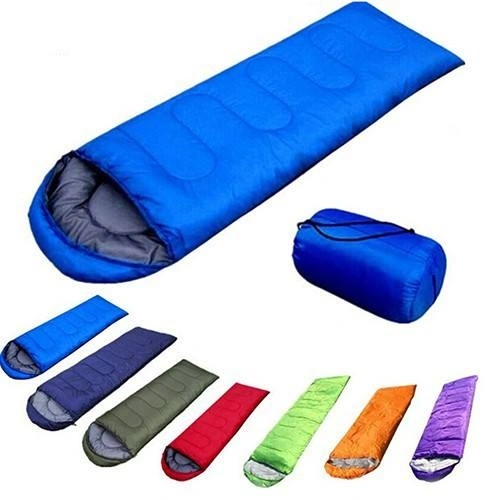
Custom Logo Envelope Shape Travel Cold Proof Keep Warm Winter Sleeping Bag Winter Sleep Bag
Custom Logo Envelope Shape Travel Cold Proof Keep Warm Winter Sleeping Bag Winter Sleep Bag
 English
  Spanish
  Russian
  German
  French
  Italian
  Arabic