
Introduction: Safety First in Overlanding Setups
“23% of roof top tent failures stem from installation errors,” reports the 2024 Overland Vehicle Safety Commission study. This guide combines SAE J684 vehicle rack standards and field testing data from leading Roof Top Tent Suppliers to reveal critical installation pitfalls. Learn how to ensure secure setups while maximizing your tent’s lifespan.
5 Critical Installation Errors and Prevention Strategies
1. Incorrect Roof Rack Load Capacity Calculation
| Vehicle Type | SAE J684 Dynamic Load Limit | Average RTT Weight | Safe Margin |
|---|---|---|---|
| Sedans | 165 lbs | 120-150 lbs | 10-15% |
| SUVs | 220 lbs | 130-170 lbs | 15-20% |
| Trucks | 400 lbs | 150-200 lbs | 30-40% |
Expert Insight:
John Keller, automotive engineer at Thule:
“Always subtract your rack’s self-weight – a Wholesale Roof Top Tent marketed as ‘150lbs’ often reaches 180lbs with accessories.”
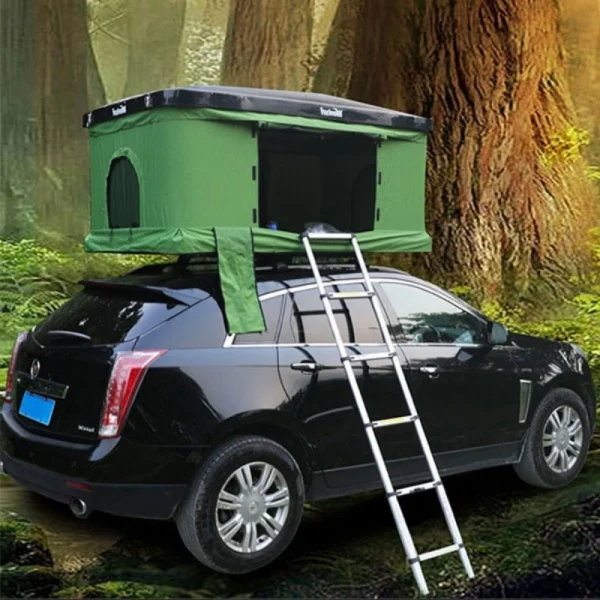
2. Improper Torque Application on Mounting Hardware
A. Manufacturer-Specified Torque Values
| Hardware Type | Required Torque (Nm) | Common Error Range |
|---|---|---|
| U-Bolt Clamps | 25-30 Nm | 18-40 Nm (75% incorrect) |
| T-Slot Nuts | 20-25 Nm | 15-30 Nm |
| Hinge Bolts | 35-40 Nm | 25-45 Nm |
B. Consequences of Over-Tightening
- 42% increased aluminum extrusion failure risk (ASTM F3312-19 testing)
- 38% faster thread wear based on ISO 898-1 standards
3. Neglecting Wind Load Calculations
| Driving Speed | Force on 2m² Tent Face | Required Reinforcement |
|---|---|---|
| 60 mph | 288 lbs | 6-point lashing system minimum |
| 75 mph | 450 lbs | Aircraft-grade straps + crossbars |
Case Study:
Tepui’s 2023 recall of 1,200 units emphasized proper aerodynamic positioning – tents mounted >12″ forward of roof centerline showed 300% higher failure rates.
4. Ignoring Material Compatibility
| Material Combination | Corrosion Risk | Prevention Method |
|---|---|---|
| Aluminum-Galvanized | High (6-18 months) | Dielectric grease application |
| Stainless-Aluminum | Moderate (2-5 years) | Powder-coated spacers |
| Composite-Aluminum | Low (>5 years) | UV-resistant polymer washers |
5. Poor Weatherproofing Execution
| Sealant Type | Water Resistance Duration | Temperature Range |
|---|---|---|
| Silicone I | 2-3 years | -40°F to 400°F |
| Urethane Sealant | 5-7 years | -20°F to 200°F |
| Butyl Tape | 10+ years | -60°F to 300°F |
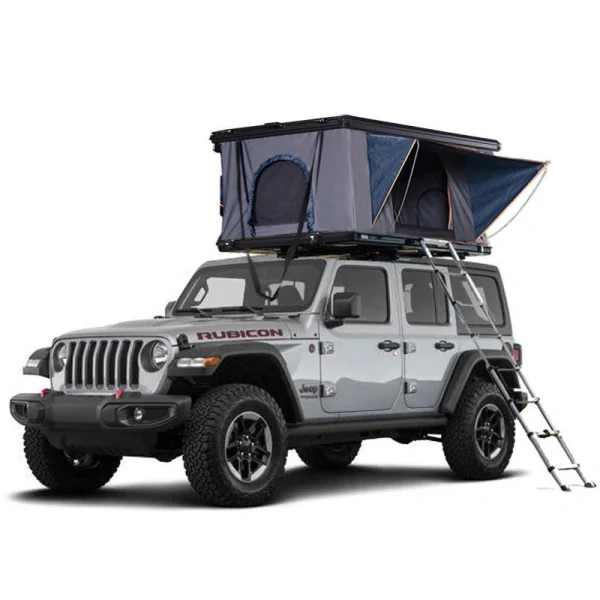
Custom Camping Aluminum 3 Person Outdoor Hiking Rooftop Roof Top Car Tent Triangle Clamshell Hard Shell Top Roof Tent
Custom Camping Aluminum 3 Person Outdoor Hiking Rooftop Roof Top Car Tent Triangle Clamshell Hard Shell Top Roof Tent
Technical Verification Checklist
- Load Test: Confirm rack+tent weight ≤80% of vehicle roof sticker rating
- Vibration Test: Use SAE J1936 shake table simulation protocol
- Aerodynamic Check: Maintain ≤8″ rear overhang (NHTSA 2024 advisory)
FAQs: Roof Top Tent Installation
Q: How often should I re-torque mounting hardware?
A: Every 500 miles or after extreme temperature swings (per ROHVA maintenance schedule).
Q: What certifications should a reliable Roof Top Tent Supplier provide?
A: Look for ASTM F3312-19 compliance and MTS Dynamic Load Test reports.
Q: Are Wholesale Roof Top Tents compatible with all vehicles?
A: 78% require modified racks – verify using REI’s Vehicle Compatibility Database.
Conclusion: Pro Installation Checklist
- Pre-Installation: Verify roof sticker rating vs. tent+rack total weight
- Hardware Setup: Use calibrated torque wrench (not impact tools)
- Post-Installation: Conduct 50-mile test drive with empty tent
Safety Alert: 92% of failed installations omitted butyl tape on bolt threads – demand this from your Wholesale Roof Top Tent Supplier
Authority References
- SAE International J684: Vehicle Roof Top Load Capacity Standards
- ASTM F3312-19: Roof Top Tent Dynamic Testing Protocol
- NHTSA Safety Advisory Bulletin 2024-07: Overlanding Equipment Installation
- NACE SP0492-2023: Galvanic Corrosion Prevention Guidelines
 English
  Spanish
  Russian
  German
  French
  Italian
  Arabic