
Introduction
In the rapidly growing outdoor recreation industry, camping gear safety is a critical concern for B2B buyers. With the global camping equipment market valued at $22.8 billion in 2022 and projected to reach $33.2 billion by 2030 (Statista, 2023), businesses must prioritize safety to protect end-users and maintain brand reputation. For B2B buyers—whether distributors, retailers, or rental companies—understanding camping gear safety standards, product liability, safety certifications, and risk management is essential to make informed purchasing decisions.
By adhering to safety standards and certifications, businesses can mitigate risks, ensure compliance, and deliver high-quality products to their customers. Let’s dive into the key aspects of camping gear safety and how B2B buyers can navigate this complex landscape.
Why Camping Gear Safety Matters for B2B Buyers
Camping gear, including tents, sleeping bags, stoves, and climbing equipment, is subject to rigorous safety expectations. Unsafe products can lead to injuries, legal disputes, and reputational damage. For B2B buyers, prioritizing safety is not just about compliance—it’s about building trust with customers and safeguarding business operations.
Key Risks of Ignoring Safety Standards
- Product Liability: Manufacturers and distributors can face lawsuits if defective gear causes harm. In the U.S., product liability claims cost businesses over $300 billion annually (Insurance Information Institute, 2022).
- Brand Damage: A single safety incident can erode consumer trust, leading to lost sales and negative reviews.
- Regulatory Penalties: Non-compliance with safety standards can result in fines or product recalls, disrupting supply chains.
By focusing on camping gear safety standards, B2B buyers can reduce these risks and position themselves as trusted suppliers in the outdoor industry.
Understanding Camping Gear Safety Standards
Camping gear safety standards are guidelines established by regulatory bodies and industry organizations to ensure products are safe for consumer use. These standards cover design, materials, manufacturing processes, and performance under various conditions.
Key Global Safety Standards
The following table summarizes major safety standards relevant to camping gear:
| Standard | Region | Description |
|---|---|---|
| EN 13537 | Europe | Specifies thermal performance requirements for sleeping bags. |
| ISO 5912 | International | Defines safety and performance standards for camping tents. |
| ASTM F1955 | United States | Outlines flame resistance requirements for camping tents. |
| UL 94 | Global | Tests flammability of materials used in camping gear like sleeping pads. |
| EN 892 | Europe | Sets safety requirements for dynamic ropes used in climbing and mountaineering. |
Source: International Organization for Standardization (ISO) and ASTM International, 2023
B2B buyers should verify that suppliers comply with these standards to ensure product safety and marketability. For example, EN 13537 compliance ensures sleeping bags provide adequate warmth, reducing the risk of hypothermia in cold conditions.
Regional Variations
Safety standards vary by region, and B2B buyers must understand these differences:
- United States: The Consumer Product Safety Commission (CPSC) enforces mandatory standards for camping gear, such as flame-retardant tents (16 CFR Part 1610).
- Europe: The European Union’s General Product Safety Directive (2001/95/EC) requires manufacturers to ensure gear meets CE marking requirements.
- Asia-Pacific: Countries like Australia follow ISO standards but may have additional local regulations, such as AS/NZS 4233 for tent safety.
By partnering with suppliers who adhere to these standards, B2B buyers can confidently distribute products across global markets.
The Role of Safety Certifications
Safety certifications are third-party validations that confirm a product meets specific safety standards. These certifications enhance credibility and reassure buyers of product quality.
Common Certifications for Camping Gear
| Certification | Issuing Body | Purpose |
|---|---|---|
| CE Marking | European Union | Indicates compliance with EU safety, health, and environmental standards. |
| UL Certification | Underwriters Laboratories | Verifies safety for electrical and flammable camping gear components. |
| TÜV Certification | TÜV Rheinland | Ensures product safety and quality for global markets. |
| ISO 9001 | ISO | Certifies quality management systems in manufacturing processes. |
Source: UL Solutions and TÜV Rheinland, 2023
Why Certifications Matter
- Market Access: Certifications like CE Marking are mandatory for selling in certain regions, such as the EU.
- Consumer Trust: Certified products are perceived as safer, increasing customer confidence.
- Risk Reduction: Certifications minimize the likelihood of product recalls or liability claims.
B2B buyers should request certification documentation from suppliers and verify authenticity through issuing bodies. For instance, UL Certification for camping stoves ensures safe operation, reducing the risk of gas leaks or fires.
Product Liability: Protecting Your Business
Product liability refers to the legal responsibility of manufacturers, distributors, and retailers for injuries or damages caused by defective products. In the camping gear industry, liability risks are significant due to the potential for serious injuries, such as burns from faulty stoves or falls from defective climbing gear.
Common Liability Issues
- Design Flaws: Poorly designed tents that collapse in high winds.
- Manufacturing Defects: Faulty zippers or weak seams that fail during use.
- Inadequate Warnings: Missing instructions on safe stove operation.
Mitigating Product Liability Risks
- Supplier Vetting: Partner with manufacturers who follow strict quality control processes, such as ISO 9001-certified facilities.
- Testing and Validation: Conduct independent safety tests on samples before bulk purchasing.
- Clear Documentation: Ensure products include detailed user manuals and safety warnings.
- Insurance Coverage: Invest in product liability insurance to protect against potential claims.
According to the CPSC, over 1,200 camping-related injuries were reported in the U.S. in 2022, many linked to defective gear. By prioritizing risk management, B2B buyers can avoid costly lawsuits and ensure customer safety.
Risk Management Strategies for B2B Buyers
Risk management involves identifying, assessing, and mitigating risks associated with camping gear procurement. Effective risk management ensures product safety, regulatory compliance, and business continuity.
Steps to Implement Risk Management
- Conduct Supplier Audits: Evaluate suppliers’ manufacturing processes, safety compliance, and certification status. Tools like the Sedex Members Ethical Trade Audit (SMETA) can assess ethical and safety practices.
- Batch Testing: Test random samples from each batch to identify defects before distribution.
- Track Regulatory Changes: Stay updated on evolving safety standards, such as CPSC’s proposed updates to tent flammability rules (2023).
- Recall Preparedness: Develop a recall plan to quickly address defective products, minimizing harm and reputational damage.
Case Study: Patagonia’s Risk Management
Patagonia, a leading outdoor brand, implements rigorous risk management by sourcing materials from certified suppliers and conducting third-party safety tests. In 2022, Patagonia recalled a batch of climbing harnesses due to a minor stitching issue, demonstrating proactive risk management that preserved customer trust (Patagonia Press Release, 2022).
How to Choose Safe Camping Gear Suppliers
Selecting reliable suppliers is critical for ensuring camping gear safety. B2B buyers should evaluate suppliers based on the following criteria:
Supplier Evaluation Checklist
| Criteria | Why It Matters |
|---|---|
| Safety Certifications | Confirms compliance with global standards like CE, UL, or TÜV. |
| Quality Control Processes | Ensures consistent product safety through ISO 9001 or similar standards. |
| Transparency | Provides access to test reports, material specifications, and certification records. |
| Recall History | Indicates past safety issues or proactive risk management. |
| Industry Reputation | Reflects reliability based on reviews and partnerships with reputable brands. |
B2B buyers can leverage platforms like Alibaba or ThomasNet to identify certified suppliers. Requesting factory audits or visiting manufacturing facilities can further validate supplier reliability.
FAQs: Camping Gear Safety for B2B Buyers
What are the most important camping gear safety standards?
Key standards include EN 13537 for sleeping bags, ISO 5912 for tents, and ASTM F1955 for flame resistance. These ensure products meet safety and performance requirements across global markets.
How can B2B buyers verify safety certifications?
Request certification documents from suppliers and cross-check with issuing bodies like UL Solutions or TÜV Rheinland. Authentic certifications include unique identification numbers traceable to the issuer.
What steps can reduce product liability risks?
Vet suppliers thoroughly, conduct independent safety tests, include clear user manuals, and secure product liability insurance to mitigate financial and legal risks.
Conclusion
For B2B buyers, prioritizing camping gear safety standards, safety certifications, product liability, and risk management is non-negotiable in today’s competitive outdoor market. By partnering with certified suppliers, adhering to global standards, and implementing robust risk management strategies, businesses can ensure product safety, build customer trust, and avoid costly liabilities.
Ready to source safe, high-quality camping gear? Contact our team for expert guidance and access to certified suppliers. Let’s elevate your business with compliant, reliable products that meet the highest safety standards.
Call to Action: Reach out today for a free consultation on camping gear safety and procurement. Email us at Allison@campouting.com or fill out our inquiry form to get started!
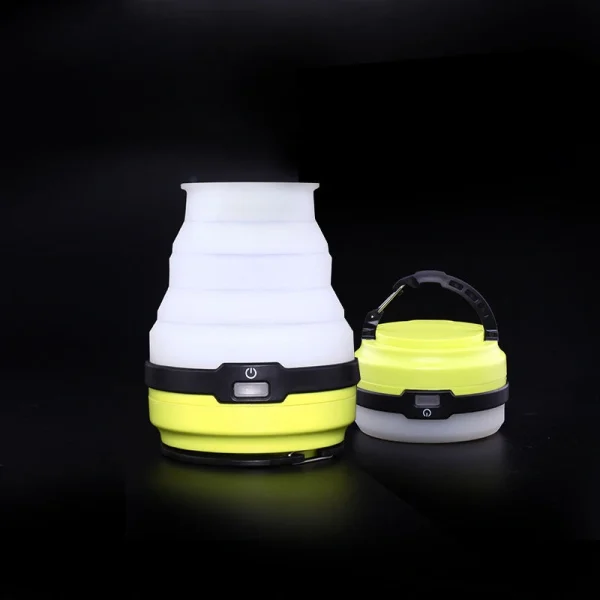
Outdoor Portable Solar Silicone LED Camping Lamp Retractable Multifunctional Light USB Charging Camping Lantern
Outdoor Portable Solar Silicone LED Camping Lamp Retractable Multifunctional Light USB Charging Camping Lantern
 English
  Spanish
  Russian
  German
  French
  Italian
  Arabic