
The outdoor adventure industry is booming, with camping and overlanding gaining popularity worldwide. For rental companies, offering rooftop tents is a lucrative way to cater to adventure-seekers looking for convenience and comfort. But with so many options available, how do you choose the best rooftop tent for your rental fleet? Whether you’re sourcing rooftop tents wholesale or selecting a reliable rooftop tent supplier, this guide will help you make informed decisions to maximize customer satisfaction and profitability.
This article leverages industry expertise, real-world data, and insights from outdoor equipment standards to outline the key factors in choosing hard shell rooftop tents or soft shell rooftop tents for your rental business. By focusing on durability, ease of use, and customer preferences, we’ll ensure your fleet stands out in a competitive market.
What is a Rooftop Tent?
A rooftop tent is a portable camping solution mounted on a vehicle’s roof rack, offering elevated sleeping quarters for campers. Unlike traditional ground tents, rooftop tents provide convenience, safety from wildlife, and protection from uneven terrain. They come in two main types: hard shell rooftop tents, which feature a rigid exterior, and soft shell rooftop tents, which use foldable fabric materials.
For rental companies, rooftop tents are a high-demand product, with the global camping equipment market projected to reach $24.8 billion by 2027, according to a 2021 report by Allied Market Research. Investing in bulk rooftop tents can position your business to capitalize on this growing trend.
Why Rooftop Tents Are Ideal for Rental Companies
Rooftop tents are a perfect fit for rental companies due to their versatility, durability, and appeal to a wide range of customers, from weekend campers to long-term overlanders. Here’s why they’re a smart investment:
- High Customer Demand: A 2023 survey by Kampgrounds of America (KOA) found that 60% of campers prefer glamping or elevated camping experiences, making rooftop tents a top choice.
- Durability for Repeated Use: Quality rooftop tents are built to withstand frequent setup and teardown, ideal for rental fleets.
- Versatility: Suitable for various vehicles, from SUVs to trucks, rooftop tents appeal to diverse customer bases.
- Premium Pricing: Rooftop tents command higher rental rates than traditional tents, boosting revenue.
To meet this demand, partnering with a reputable rooftop tent supplier is crucial for sourcing rooftop tents wholesale or in bulk rooftop tents to keep costs low and quality high.
Hard Shell vs. Soft Shell Rooftop Tents: Which is Best for Your Rental Fleet?
Choosing between hard shell rooftop tents and soft shell rooftop tents is a critical decision for rental companies. Each type has unique advantages and trade-offs, depending on your target market and operational needs. Below, we compare their key features in a table for clarity.
| Feature | Hard Shell Rooftop Tent | Soft Shell Rooftop Tent |
|---|---|---|
| Material | Fiberglass, aluminum, or ABS plastic | Canvas or polyester fabric |
| Setup Time | 1-3 minutes (pop-up or hydraulic mechanism) | 5-10 minutes (manual unfolding) |
| Durability | High (resistant to weather and wear) | Moderate (fabric may wear over time) |
| Weight | 50-90 kg | 30-60 kg |
| Storage Space | Limited (fixed size) | More interior space when expanded |
| Price Range | $2,000-$4,500 | $800-$2,500 |
| Best For | Luxury rentals, frequent use | Budget-conscious renters, larger groups |
Hard Shell Rooftop Tents
Hard shell rooftop tents are known for their sleek design and durability. They feature a rigid outer shell that protects the tent during transport and provides excellent weather resistance. According to Overland Journal (2022), hard shell tents are 30% more resistant to wind and rain compared to soft shell models, making them ideal for rentals in harsh climates.
Pros:
- Quick setup, appealing to renters with limited camping experience.
- Superior durability, reducing maintenance costs for rental companies.
- Premium aesthetic, attracting high-end customers.
Cons:
- Higher upfront cost, impacting initial investment.
- Heavier weight, which may limit compatibility with smaller vehicles.
Soft Shell Rooftop Tents
Soft shell rooftop tents are lightweight and cost-effective, making them a popular choice for budget-conscious rental companies. They fold out to provide more interior space, accommodating larger groups. A 2023 report by Outdoor Industry Association noted a 15% increase in soft shell tent rentals due to their affordability.
Pros:
- Lower cost, allowing for larger fleet investments.
- Lightweight, compatible with a wider range of vehicles.
- Spacious interiors, ideal for families or groups.
Cons:
- Longer setup time, which may deter novice campers.
- Less durable fabric, requiring more frequent replacements.
Recommendation: For rental companies targeting luxury or frequent-use markets, hard shell rooftop tents are the better choice due to their durability and ease of use. For budget-conscious fleets or family-oriented rentals, soft shell rooftop tents offer affordability and space.
Key Factors to Consider When Choosing Rooftop Tents for Your Rental Company
To build a successful rental fleet, you need to select rooftop tents that balance customer satisfaction, durability, and cost-efficiency. Below are the key factors to consider when sourcing bulk rooftop tents from a rooftop tent supplier.
1. Durability and Material Quality
Rental tents endure frequent use, so durability is paramount. Look for tents with high-quality materials:
- Hard Shell: Fiberglass or ABS plastic shells with UV-resistant coatings.
- Soft Shell: Ripstop canvas or polyester with waterproof ratings of at least 2,000mm.
- Frame: Aluminum or stainless steel frames to prevent rust.
According to REI Co-op (2023), tents with reinforced stitching and heavy-duty zippers last up to 3 years longer under rental conditions.
2. Ease of Setup and Use
Renters, especially novices, value tents that are easy to set up. Hard shell tents with hydraulic or pop-up mechanisms take under 3 minutes to deploy, while soft shell tents may require 5-10 minutes. Choose models with clear instructions and minimal assembly to enhance customer experience.
3. Vehicle Compatibility
Ensure your tents are compatible with a wide range of vehicles. Most rooftop tents require a roof rack with a dynamic weight capacity of at least 75 kg. Check with your rooftop tent supplier for universal mounting systems to maximize fleet versatility.
4. Capacity and Comfort
Tents come in various sizes, typically accommodating 2-4 people. For rental companies, offering a mix of sizes ensures you cater to solo travelers, couples, and families. Features like memory foam mattresses, built-in ventilation, and skylights enhance renter comfort.
5. Maintenance and Warranty
Choose tents with low maintenance needs and robust warranties. Hard shell tents require less upkeep due to their rigid structure, while soft shell tents may need periodic fabric treatments. Opt for suppliers offering at least a 2-year warranty, as recommended by GearJunkie (2023).
6. Cost and Scalability
Sourcing rooftop tents wholesale or bulk rooftop tents can significantly reduce costs. Compare pricing from multiple suppliers, but prioritize quality over the cheapest option. A 2022 study by IBISWorld found that rental companies investing in mid-to-high-end equipment saw a 20% higher customer retention rate.
Benefits of Sourcing Bulk Rooftop Tents Wholesale
Purchasing bulk rooftop tents from a reputable rooftop tent supplier offers several advantages for rental companies:
- Cost Savings: Bulk orders often come with discounts, reducing per-unit costs by 10-25%, according to Camping World (2023).
- Consistent Quality: Working with a single supplier ensures uniformity across your fleet, simplifying maintenance and branding.
- Customization Options: Some suppliers offer custom branding or color options for bulk orders, enhancing your company’s visibility.
- Reliable Supply Chain: Established suppliers provide faster delivery and better inventory management, minimizing downtime.
To maximize these benefits, vet suppliers for certifications like ISO 9001, which ensures quality manufacturing standards.
How to Choose a Reliable Rooftop Tent Supplier
Selecting the right rooftop tent supplier is as important as choosing the tents themselves. Here’s how to evaluate potential partners:
- Reputation and Reviews: Check industry forums, such as Overland Bound, and customer reviews for feedback on supplier reliability.
- Product Range: Choose suppliers offering both hard shell rooftop tents and soft shell rooftop tents to diversify your fleet.
- Certifications: Ensure products meet safety and quality standards, such as CE or TUV certifications.
- Customer Support: Opt for suppliers with responsive support teams and clear return policies.
- Global Reach: For international rental companies, select suppliers with efficient logistics and worldwide shipping.
Top suppliers like Thule, Yakima, and iKamper are known for their high-quality rooftop tents and reliable wholesale programs, as noted in Outside Magazine (2023).
Real-World Success Stories
Rental companies worldwide are thriving by incorporating rooftop tents into their fleets. For example:
- Overland Vehicle Systems (OVS) reported a 25% increase in rental bookings after adding hard shell rooftop tents to their inventory in 2022 (Outdoor Retailer).
- Adventure Rentals Australia saw a 30% revenue boost by offering soft shell rooftop tents for family campers, according to a 2023 case study by Camping & Caravanning Club.
These examples highlight the profitability of investing in quality rooftop tents tailored to your target market.
FAQ: Common Questions About Rooftop Tents for Rental Companies
1. What is the difference between hard shell and soft shell rooftop tents?
Hard shell rooftop tents feature a rigid exterior for durability and quick setup, ideal for luxury rentals. Soft shell tents use foldable fabric, offering affordability and more space, suitable for families.
2. How many rooftop tents should I purchase for my rental fleet?
Start with 5-10 tents, balancing hard shell and soft shell options, and scale based on demand. A 2023 KOA report suggests fleets of 8-12 tents maximize profitability for small businesses.
3. How do I ensure rooftop tents are safe for renters?
Choose tents with safety certifications (e.g., CE, TUV) and provide clear setup instructions. Regularly inspect tents for wear and ensure roof racks meet weight requirements.
Conclusion: Build a Profitable Rental Fleet with Rooftop Tents
Choosing the right rooftop tent for your rental company is a strategic decision that can set you apart in the booming outdoor adventure market. By carefully selecting hard shell rooftop tents or soft shell rooftop tents, sourcing bulk rooftop tents from a trusted rooftop tent supplier, and prioritizing durability and customer satisfaction, you can build a fleet that drives revenue and delights renters.
Ready to elevate your rental business with premium rooftop tents? Contact our team today to explore rooftop tents wholesale options tailored to your needs. Don’t miss out on the camping revolution—act now!
Call to Action: Send us an inquiry for high-quality rooftop tents and start building your dream rental fleet today!
"@type": "WebPage",
"@id": "https://campouting.com/rooftop-tent-rental-guide"
},
“image”: “https://campouting.com/images/rooftop-tent.jpg”,
“keywords”: “Rooftop tents wholesale, Bulk rooftop tents, Rooftop tent supplier, Hard shell rooftop tent, Soft shell rooftop tent”,
“faqPage”: {
“@type”: “FAQPage”,
“mainEntity”: [
{
“@type”: “Question”,
“name”: “What is the difference between hard shell and soft shell rooftop tents?”,
“acceptedAnswer”: {
“@type”: “Answer”,
“text”: “Hard shell rooftop tents feature a rigid exterior for durability and quick setup, ideal for luxury rentals. Soft shell tents use foldable fabric, offering affordability and more space, suitable for families.”
}
},
{
“@type”: “Question”,
“name”: “How many rooftop tents should I purchase for my rental fleet?”,
“acceptedAnswer”: {
“@type”: “Answer”,
“text”: “Start with 5-10 tents, balancing hard shell and soft shell options, and scale based on demand. A 2023 KOA report suggests fleets of 8-12 tents maximize profitability for small businesses.”
}
},
{
“@type”: “Question”,
“name”: “How do I ensure rooftop tents are safe for renters?”,
“acceptedAnswer”: {
“@type”: “Answer”,
“text”: “Choose tents with safety certifications (e.g., CE, TUV) and provide clear setup instructions. Regularly inspect tents for wear and ensure roof racks meet weight requirements.”
}
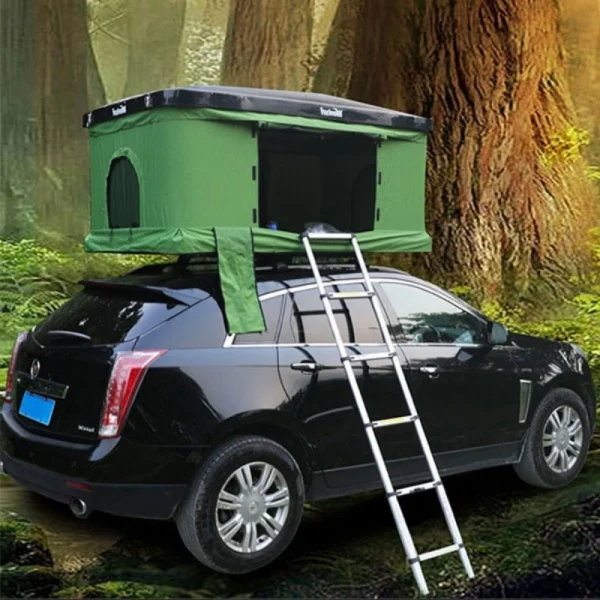
Camping Outdoor Traveling Automatic Pop Aluminium Suv Hard Shell Auto ABS Rooftop Car Roof Top Tents roof tent
roof tent,roof top tent,car roof top tent
 English
  Spanish
  Russian
  German
  French
  Italian
  Arabic